The Problem Isn’t Down Syndrome
The Problem Isn’t Down Syndrome
I’ve been reading the comments surrounding the recent story about an influencer’s pregnancy being terminated following a diagnosis of Down syndrome.
Before I say anything else, this isn’t a post about whether people should have a choice.
I believe they should.
These are deeply personal decisions, and I have no desire to tell anyone what they should do with their pregnancy.
The Difference
There’s something important I should acknowledge.
I never had to make that choice.
When I was pregnant with Leo, I had the tests that were available at the time and wasn’t given a diagnosis.
Down syndrome wasn’t confirmed until three days after he was born, two months premature.
That matters because my perspective is different.
I wasn’t handed a diagnosis and asked to make a decision.
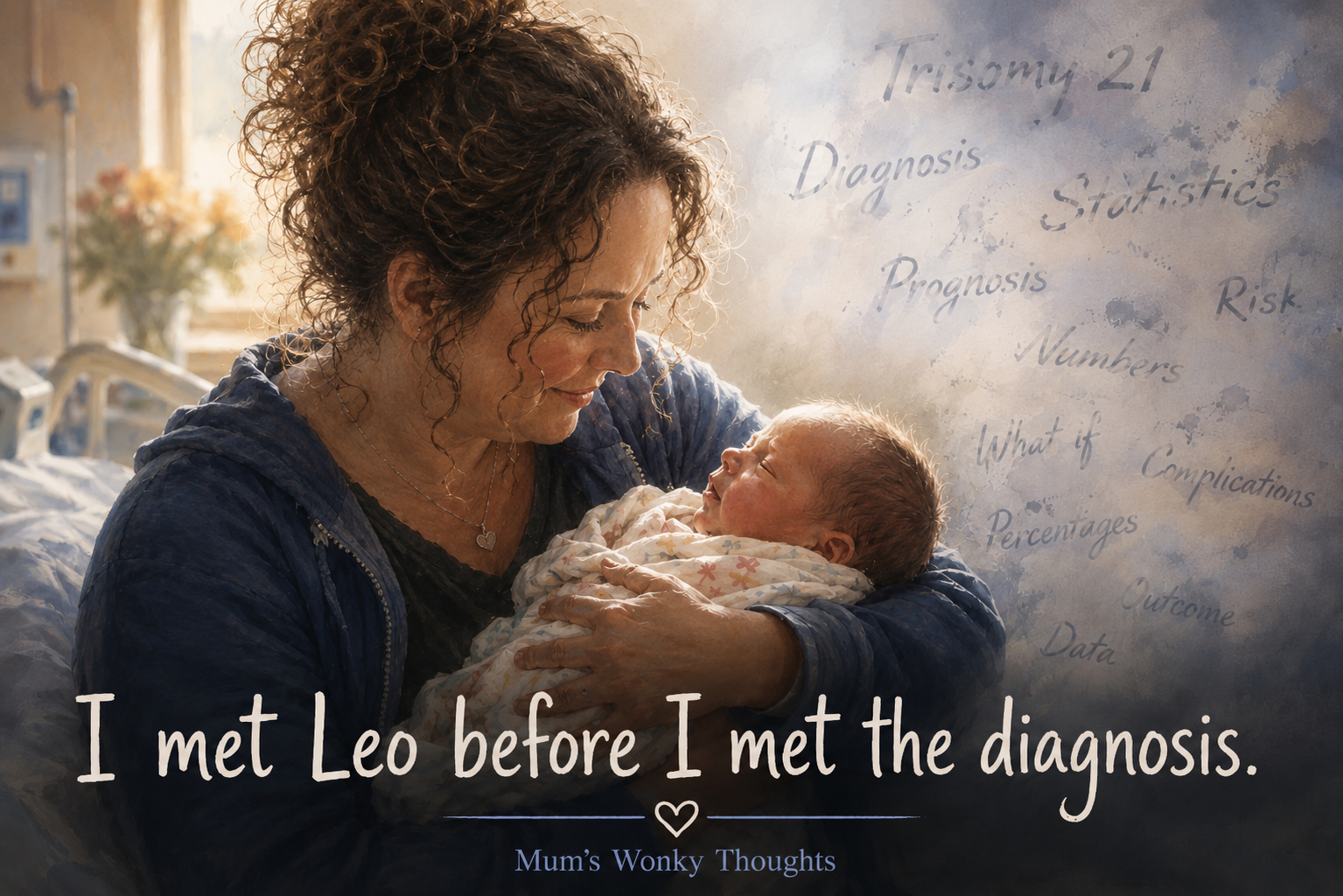
I met Leo before I met the diagnosis.
I held him.
I fed him.
I fell completely in love with him.
Long before his dramatic arrival had even begun to make sense.
Three days later, somebody told me he had Down syndrome.
Maybe that’s why some of the language surrounding Down syndrome hits me so hard.
When people talk about Down syndrome, I don’t see a diagnosis.
I don’t see a statistic.
I don’t see a list of medical complications.
I see my son.
“I met Leo before I met the diagnosis.”
Seeing Leo
What’s stayed with me from this recent story isn’t the decision itself.
It’s the language.
Words matter.
When Down syndrome is described as a burden, a mistake, a tragedy or a life not worth living, people aren’t talking about an abstract medical condition.
They’re talking about human beings.
They’re talking about people like Leo.
Leo is sixteen years old.
✓ He can swim.
✓ He can sail.
✓ He can ride a bike.
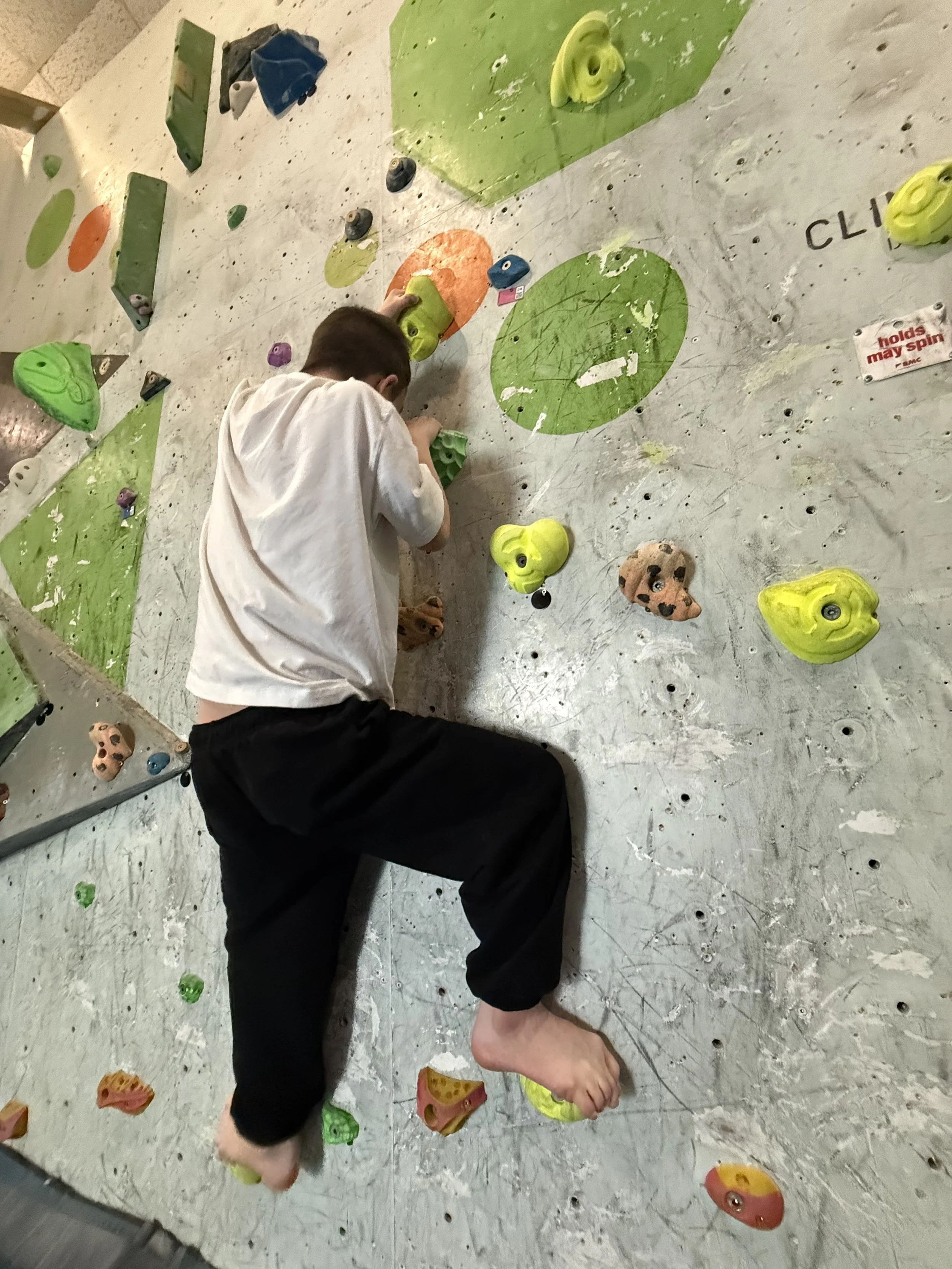
✓ He can rock climb.
✓ He has flown in a skydiving simulator.
✓ He’s a musical and tech genius in the making.
✓ He completed the Jubilee Ten Tors Challenge.
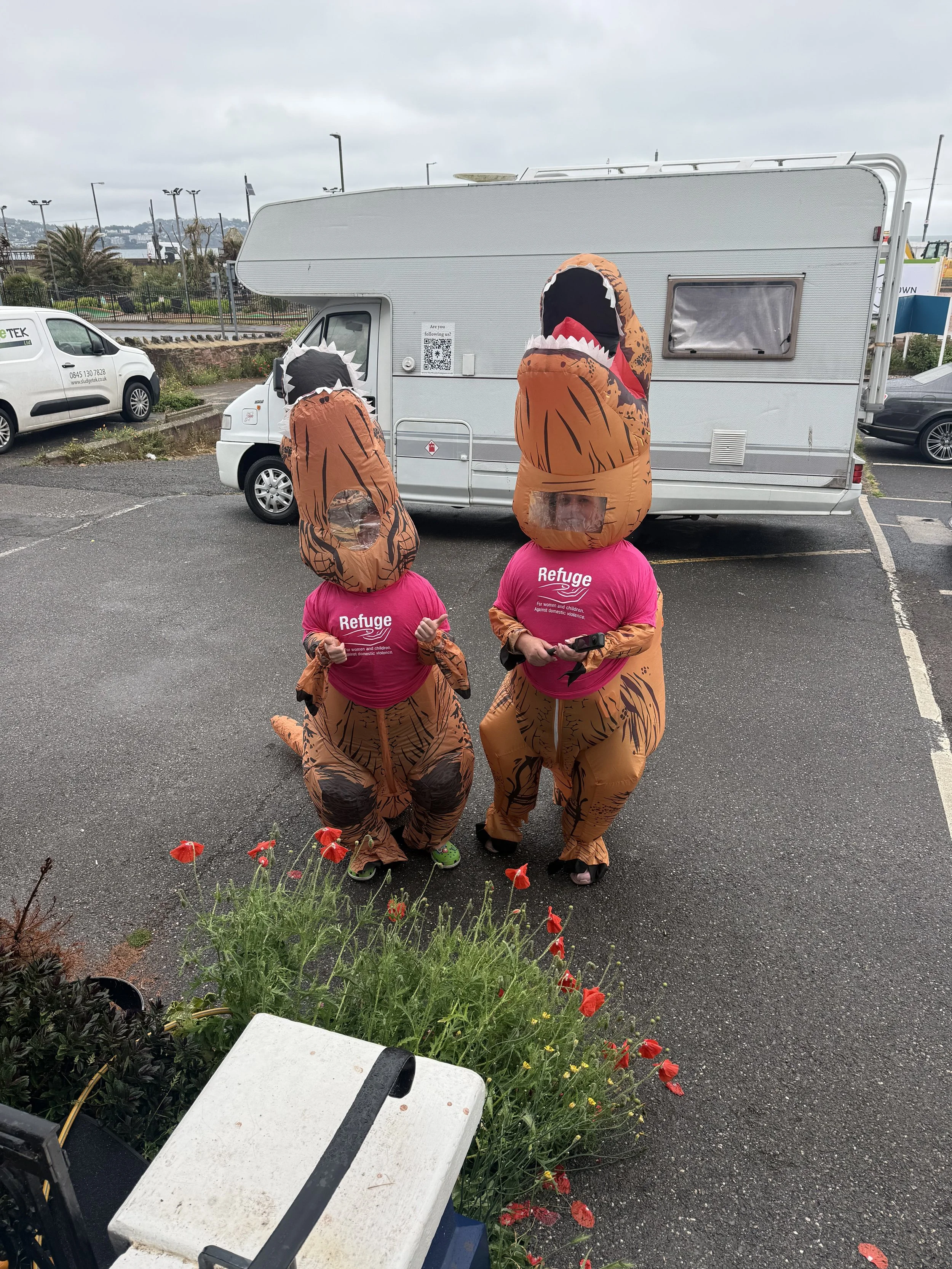
✓ He’s currently taking part in #100MilesInJune raising money for Refuge.
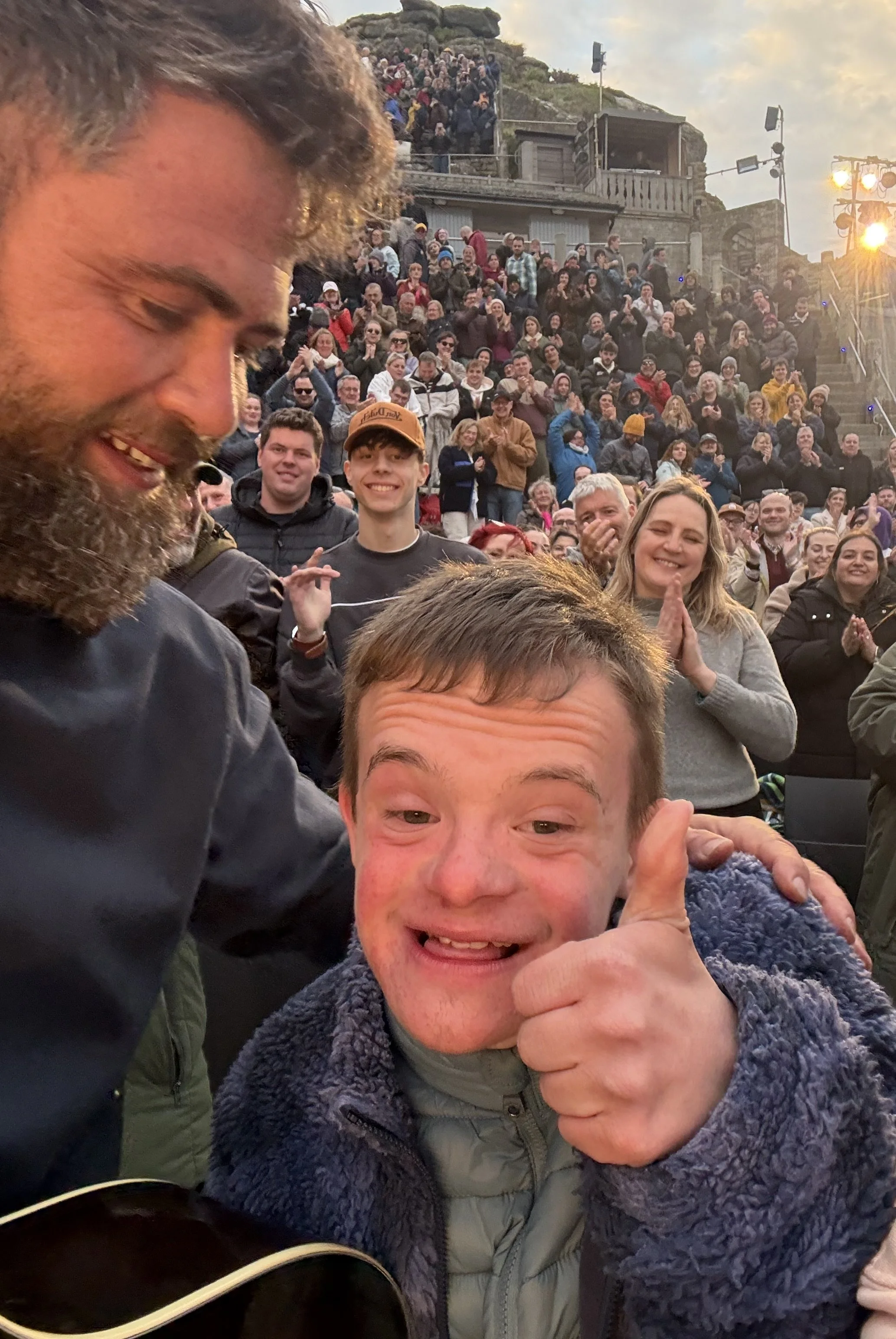
✓ He performs on stage.
✓ He travels around the country in our motorhome.
✓ He throws himself into new adventures with an enthusiasm that often puts the rest of us to shame.
He has favourite songs.
Favourite foods.
Strong opinions.
A mischievous sense of humour.
And, like any teenager, he can be wonderfully stubborn when he wants to be.
Most importantly, he brings joy wherever he goes.
People remember him.
Shop assistants remember his name.
Musicians remember him. Passenger remembered him. Gabrielle remembered him.
Complete strangers smile when he walks into a room.
He has a remarkable ability to leave people feeling better than he found them.
The Look That Lingers
When we’re out and about, I often notice people watching him.
Not in an unkind way.
Sometimes their gaze just lingers a little longer than usual.
Sometimes I find myself wondering what they’re thinking.
Perhaps they have a relative or friend with Down syndrome.
Perhaps they once worked with somebody who had Down syndrome.
Perhaps they faced a prenatal diagnosis themselves and made a different decision.
Perhaps, for a fleeting moment, Leo personifies that loss.
I don’t know.
What I do know is that anyone who spends time with Leo quickly discovers that he’s so much more than the diagnosis written on a piece of medical paperwork.
What Breaks My Heart
Parents like me spend years challenging outdated stereotypes.
We spend years advocating for inclusion, equality and opportunity.
We spend years trying to help the world see ability before disability.
We celebrate achievements.
We challenge assumptions.
We show what’s possible when our children are given the same opportunities as everyone else.
Then, in a matter of moments, a few careless words can reinforce every prejudice we’ve spent years trying to dismantle.
That’s what breaks my heart.
Not the diagnosis.
The language.
The problem isn’t Down syndrome.
The problem is a society that still measures human worth by productivity, intelligence, independence or genetic perfection.
The problem is the assumption that disability automatically means suffering.
The problem is the belief that some lives have less value than others.
Those attitudes make life far harder for disabled people than the disability itself ever does.
No life is easy.
Every family faces challenges.
Every child arrives with uncertainties that none of us can predict.
Disability is only one chapter in a person’s story.
What Leo Has Taught Me
The greatest lessons Leo has taught me have never been about disability.
They’ve been about kindness.
Resilience.
Acceptance.
Patience.
Joy.
He’s introduced me to people I’d never otherwise have met.
He’s made me question my own assumptions.
He’s definitely helped me become a better human being.
The Truth
I wouldn’t change him.
Not because our journey has always been easy.
Not because there haven’t been challenges.
I wouldn’t change him because Leo isn’t a diagnosis that happened to us.
He’s a young man who happens to have Down syndrome.
He’s loved beyond measure.
He’s living a wonderful life.
If more people had the chance to know someone like Leo before deciding what a life with Down syndrome looks like, I suspect the conversation would sound very different indeed.